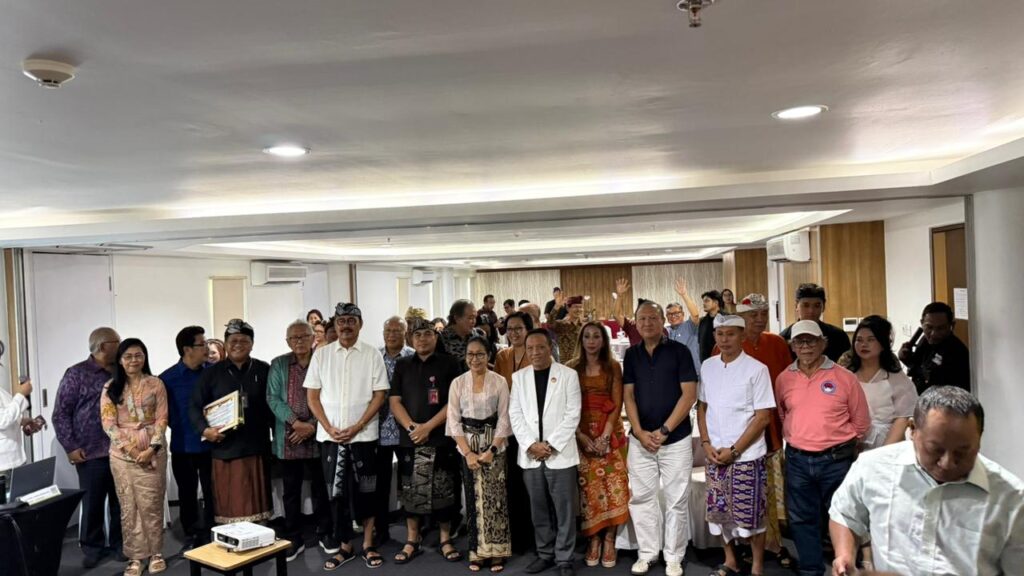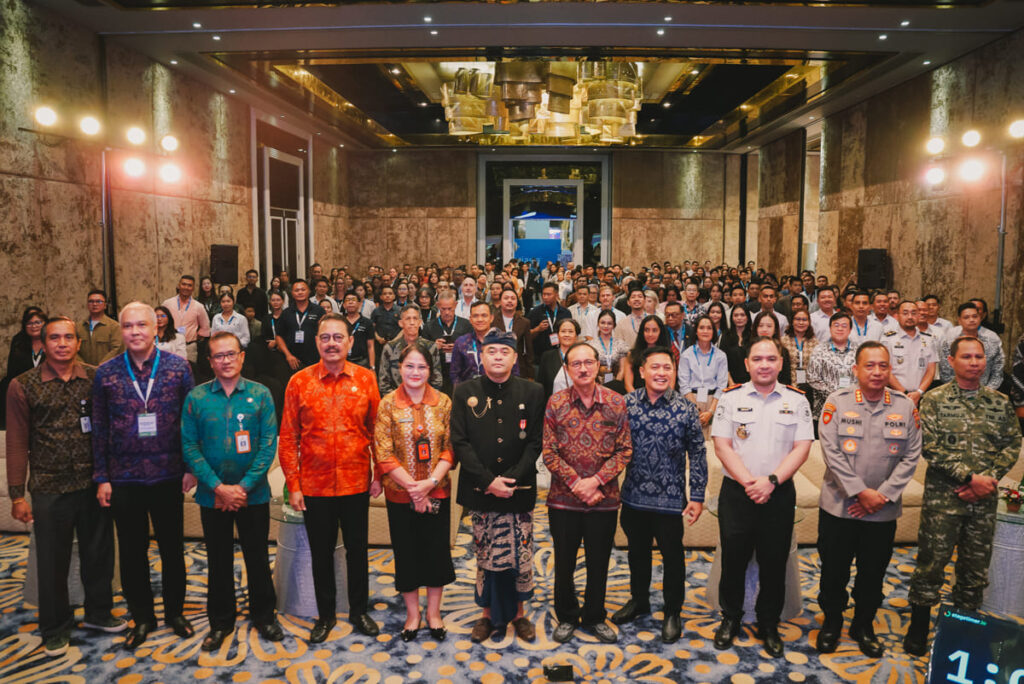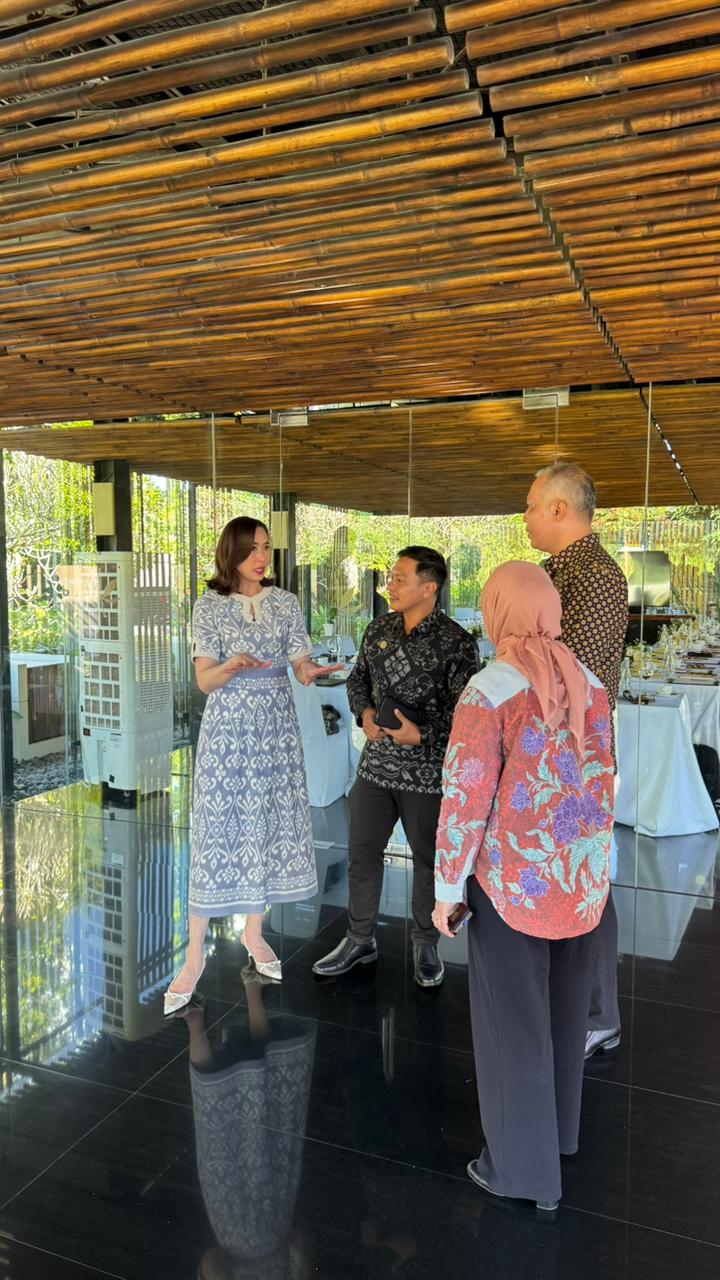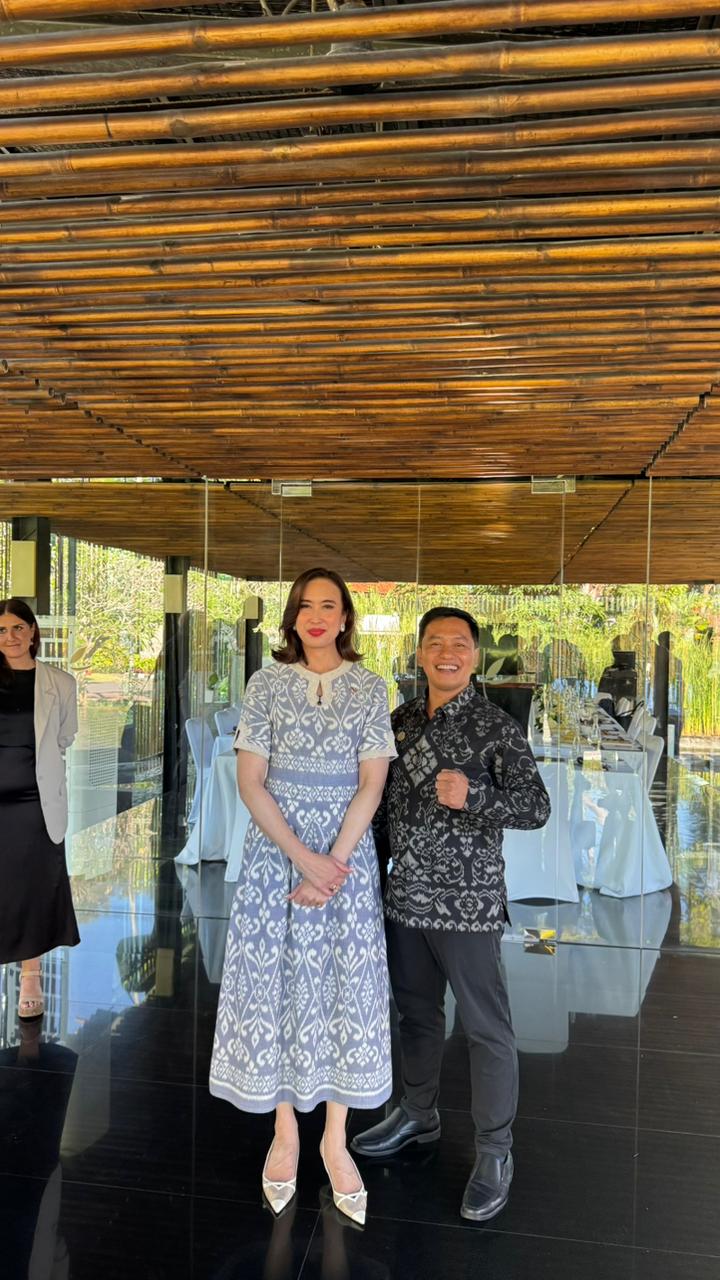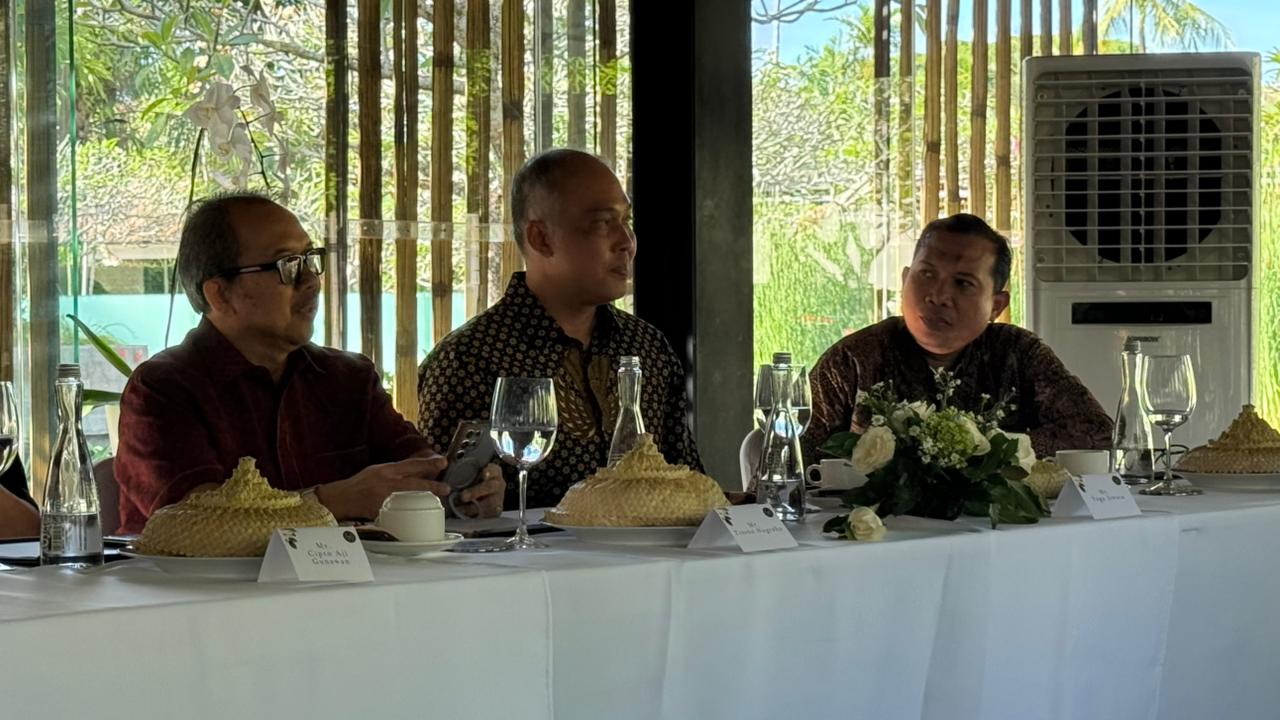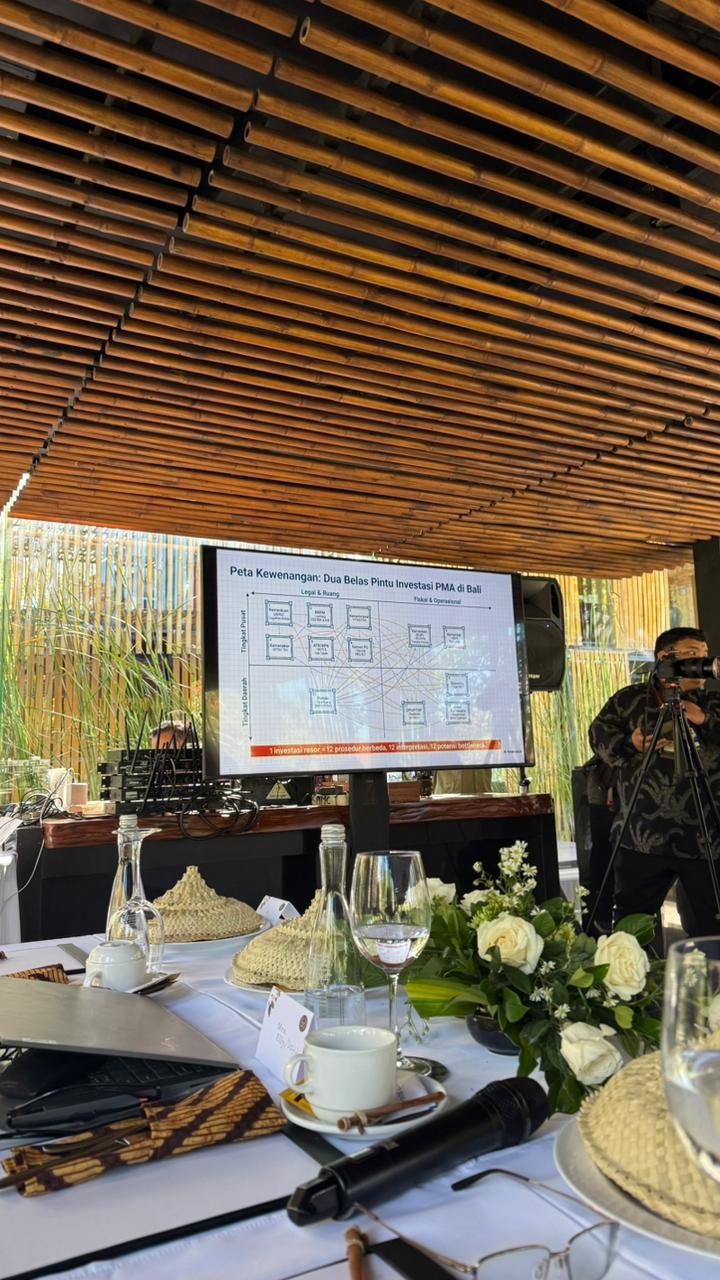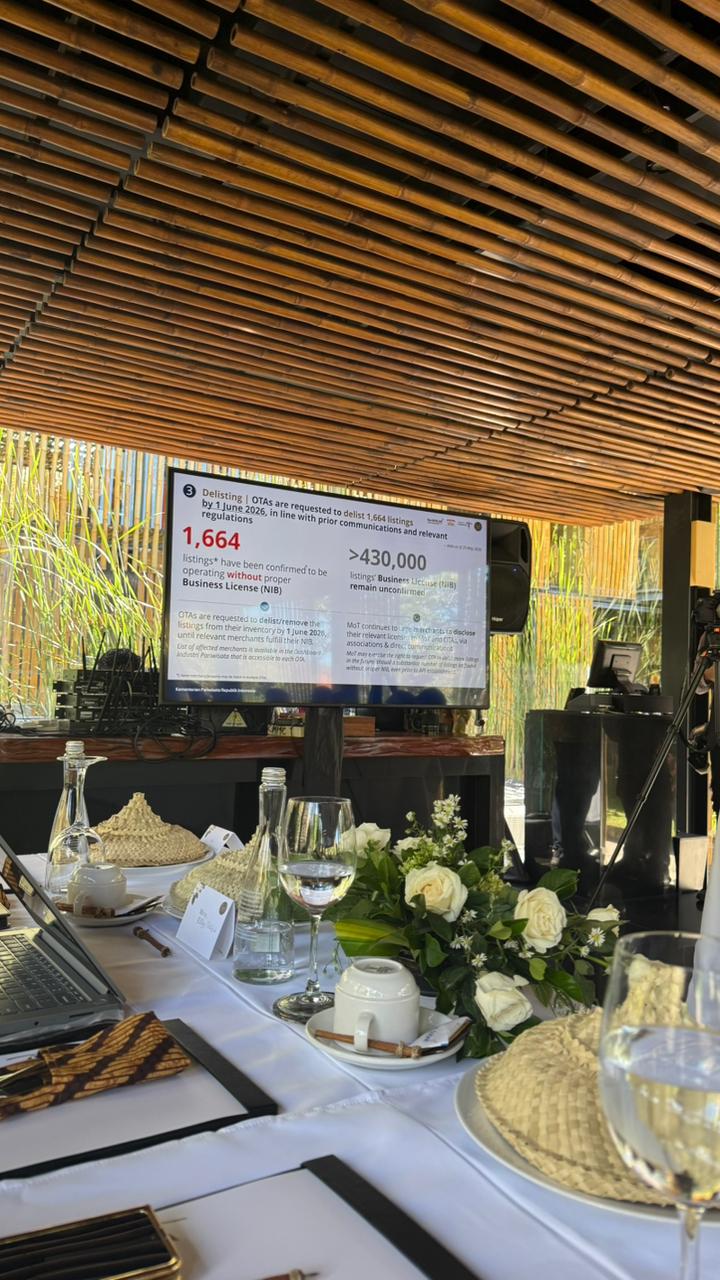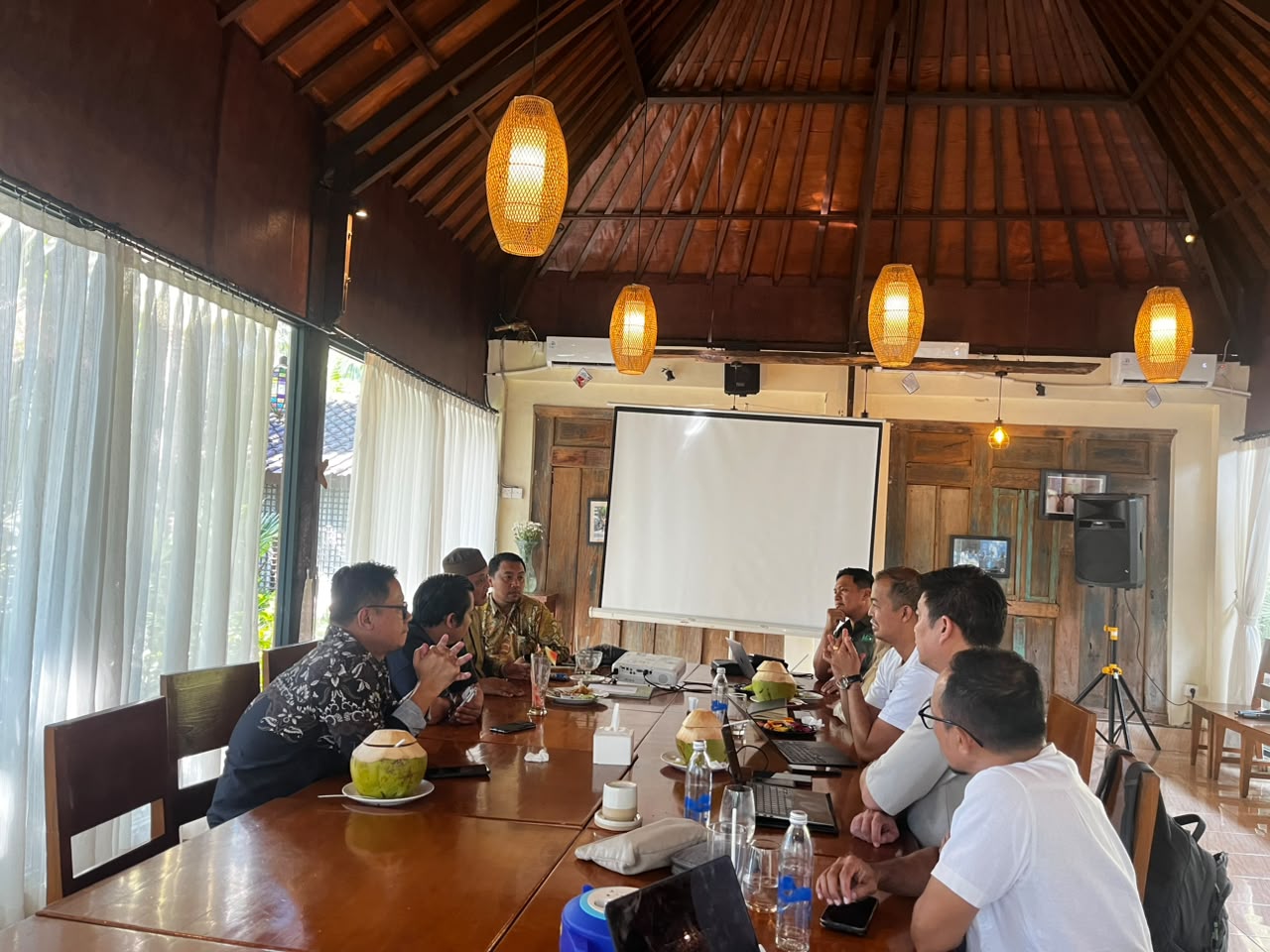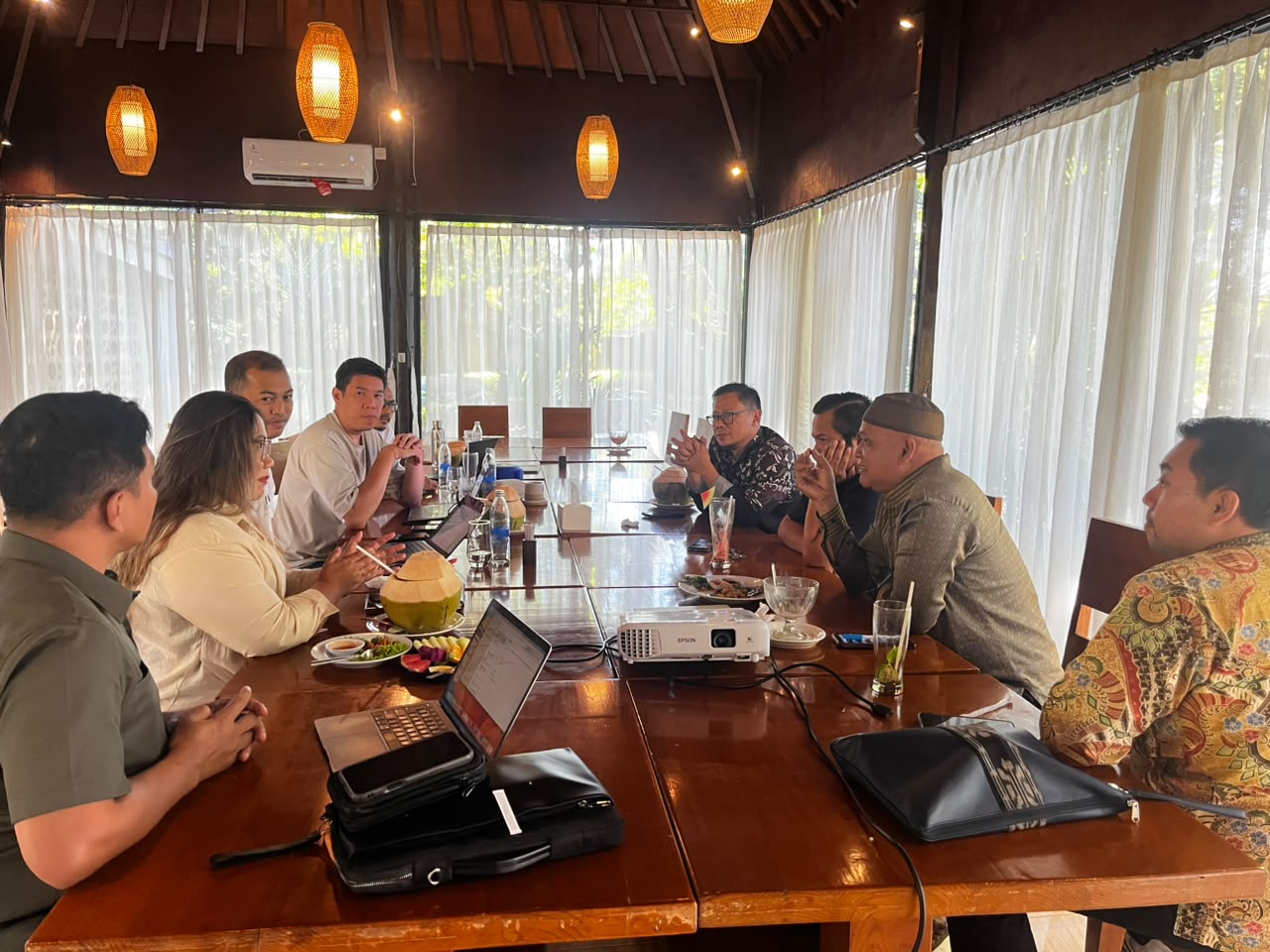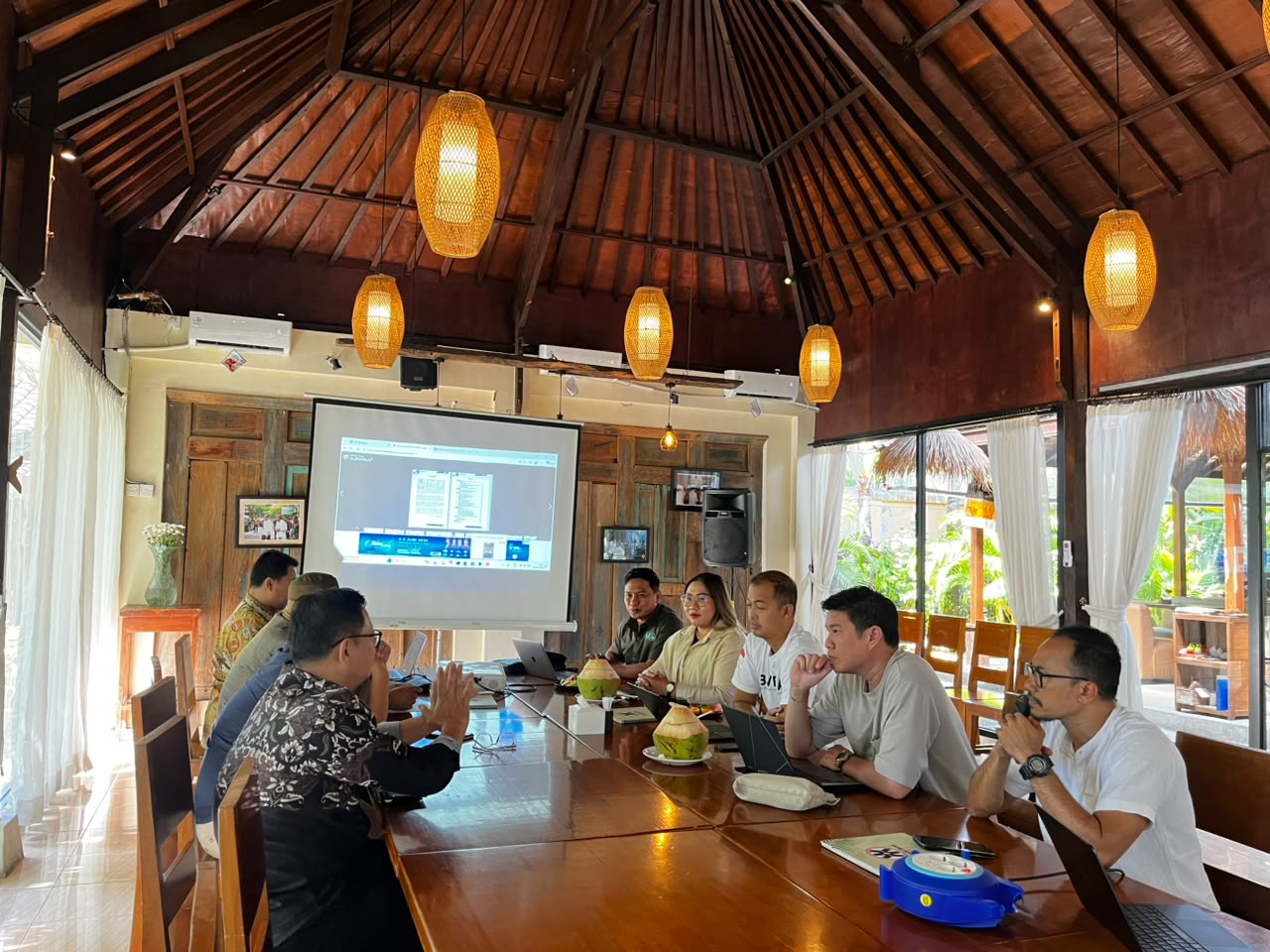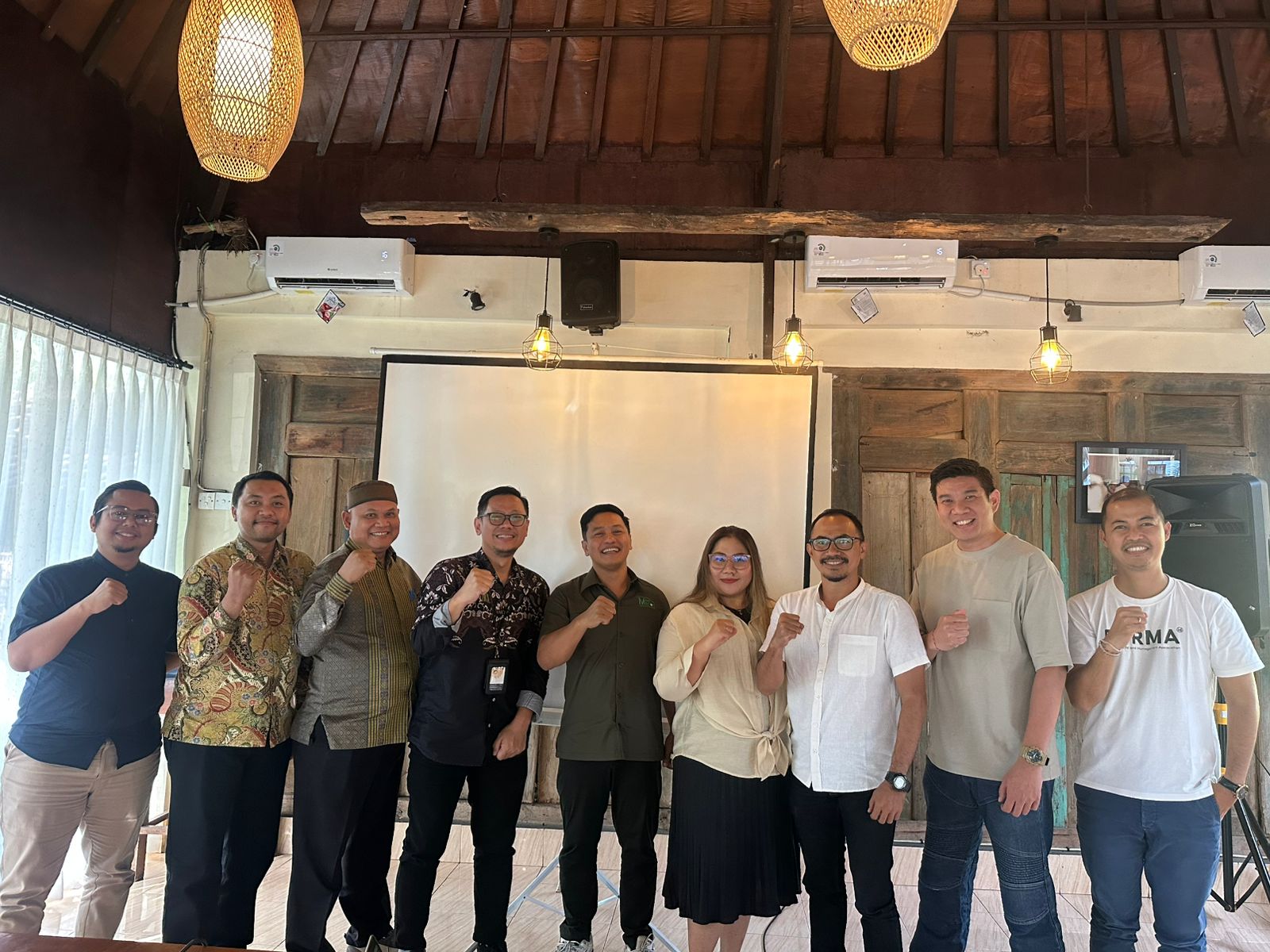
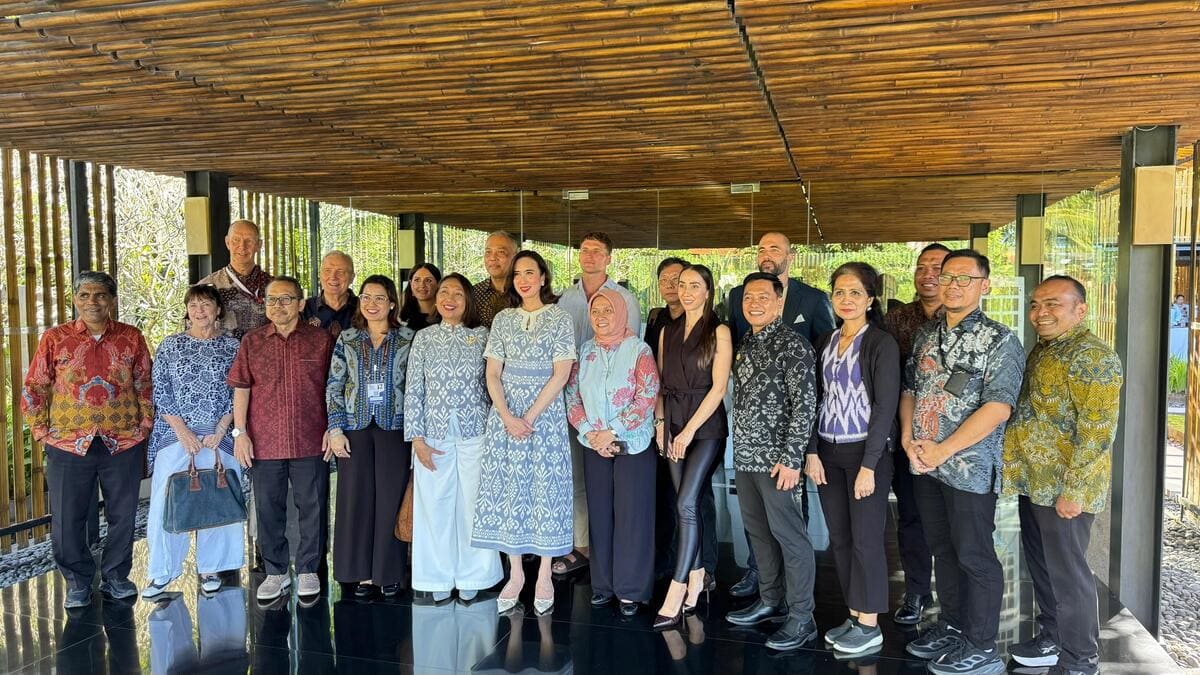
Bali, May 29, 2029 — Bali’s future development must move forward with a clear and measurable direction while remaining rooted in the island’s greatest strengths: its pristine nature, noble traditions, and unique sacred culture. This spirit became the central theme of the Investor Roundtable Forum, which brought together government representatives, industry leaders, academics, tourism associations, and both national and international investors to discuss the future direction of Bali’s development and investment landscape.
This strategic forum was led directly by Indonesia’s Minister of Tourism, Mrs. Widianti Wardana, who addressed a range of important issues related to investment trends, development challenges, and opportunities for the advancement of the national tourism sector, including the development of Indonesia’s 10 priority tourism destinations and 3 regenerative tourism destinations.
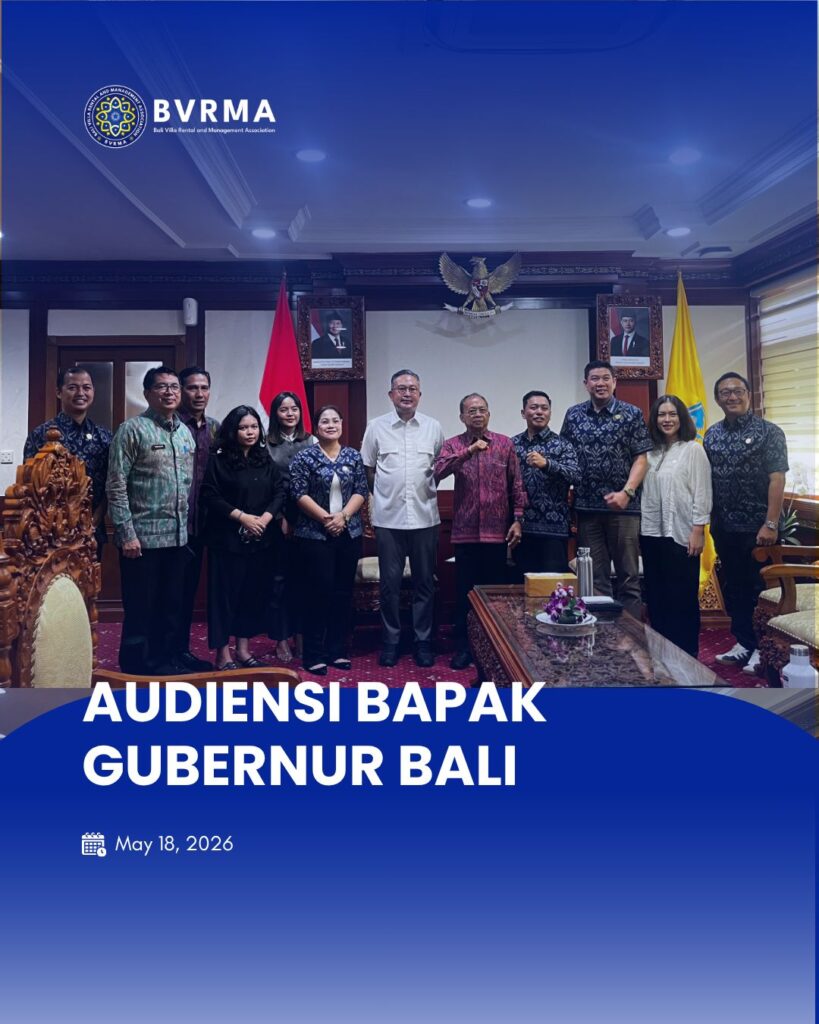
The forum was also attended by two Deputy Ministers of Tourism: Mrs. Rizky Handayani Mustafa, Deputy for Industry and Investment, and Mrs. Ayu Marthini, Deputy for Marketing. Various strategic stakeholders were also present, including representatives from the Bali Provincial Investment Coordinating Board (BKPM), the Head of the Bali Provincial Tourism Office, advisors to the Governor of Bali, international influencers, the Chairman of BVRMA (Bali Villa Rental and Management Association), the Chairman of PHRI Bali, the Chairman of BTIC (Bali Tourism Investment Chamber), as well as foreign investors and influencers who share a strong concern for Bali’s future.
During the discussion, the Chairman of BVRMA emphasized that physical development and land conversion in Bali require stronger supervision, regulation, and proper management to ensure that investment growth does not sacrifice Bali’s identity as a world cultural destination.
“Tourism for Bali, not Bali for tourism,” became the core message echoed throughout the forum — a reminder that development must provide real benefits to the Balinese people while preserving the balance of nature, culture, and spiritual values that have been passed down through generations.
Other participants also highlighted the importance of establishing a clearer, more integrated, and sustainable development blueprint for Bali. Investors are seen as needing greater certainty regarding Bali’s future needs, appropriate development zones, priority sectors, and required investment values so that development can proceed in a more structured and responsible manner without creating future complications.
The government was also recognized as playing a strategic role as a bridge for accurate information to investors, including notaries and business consultants who often serve as primary references for business actors. Education, supervision, and standardized information were considered essential to prevent regulatory misinterpretations that could potentially harm both investors and the region.
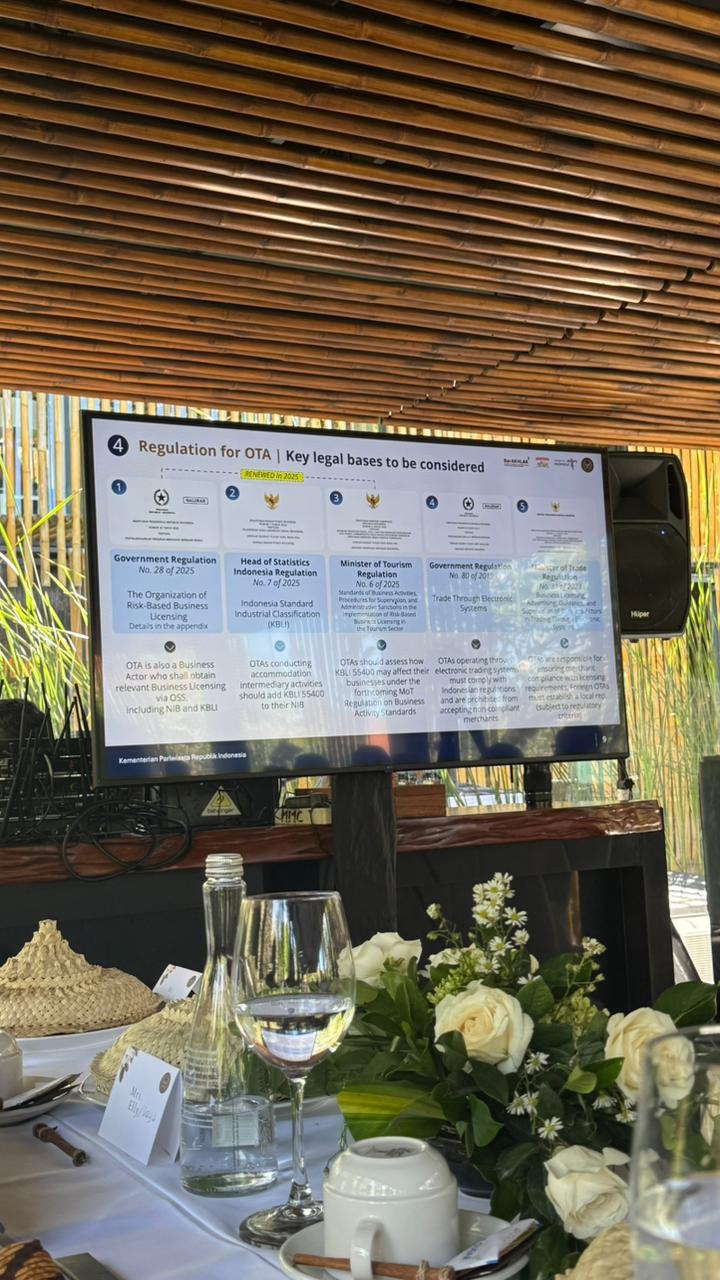
The forum also discussed the evolving dynamics of Foreign Direct Investment (FDI/PMA) regulations, particularly in Bali’s property and villa rental management sectors. For many years, PMA companies were allowed to participate in the development of Bali’s property and tourism accommodation industries. However, recent changes in Indonesia’s KBLI (Standard Classification of Business Fields) have created gray areas that have caused confusion among some business operators regarding their business models.
Previously, PMA entities were still permitted to operate under low-risk categories such as villa rentals. However, due to changes in regulations and business classifications, certain business models are now facing new limitations, even though the government continues to provide investment opportunities through schemes requiring minimum capital above IDR 10 billion.
In follow-up meetings with senior advisors from the Ministry of Tourism, strategic steps to strengthen the governance of Indonesia’s villa industry were also discussed. One of the key initiatives includes the preparation of a star-rated villa classification system involving academics and industry practitioners as part of a national standardization framework.
In addition, the government and industry associations will jointly develop a national guideline book containing detailed information on villa properties, villa management, villa rental operations, as well as operational standards and industry data that can serve as a national reference across Indonesia.
The villa business ecosystem will also be supported with more comprehensive guidelines, including compliance standards, business governance structures, and clearer operational mechanisms to ensure the industry grows in a healthier, more professional, and sustainable manner.
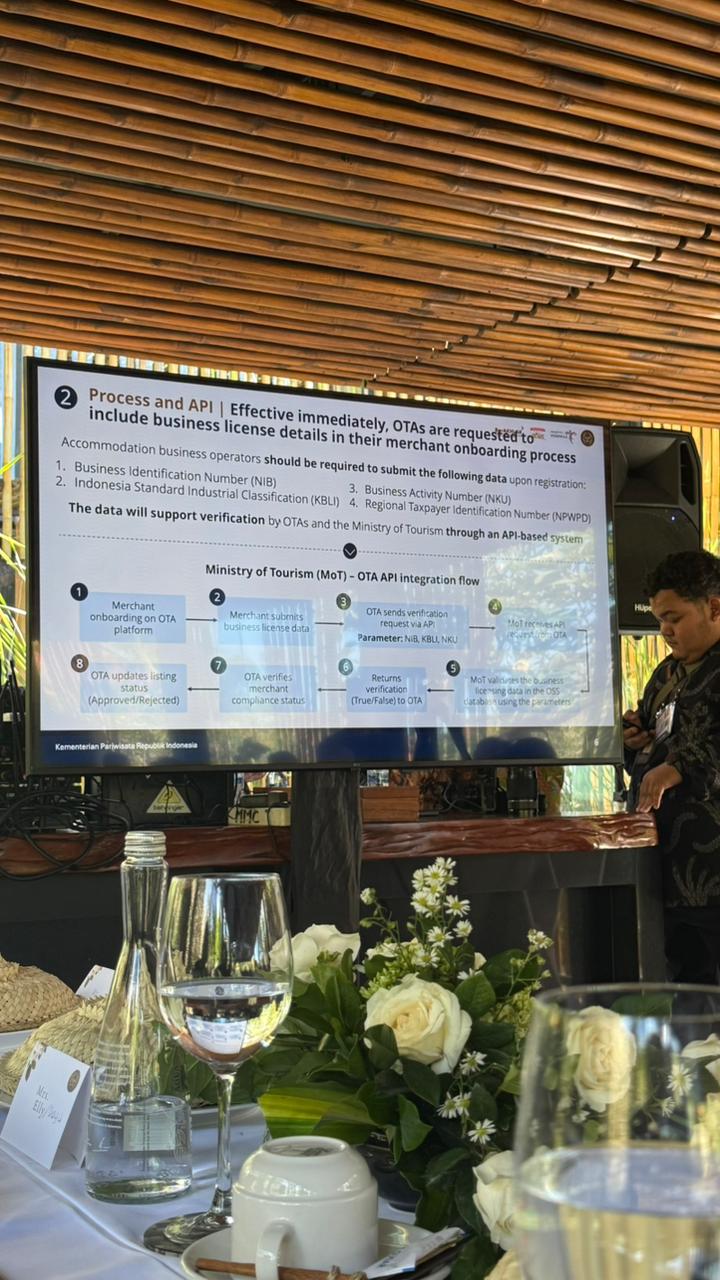
From a regulatory perspective, future KBLI classifications are planned to be adjusted to accommodate modern management business models, making business classifications more precise and adaptive to industry developments. One of the options being discussed is allowing a single Business Identification Number (NIB) to accommodate multiple KBLI classifications simultaneously, including the introduction of intermediary schemes that could help businesses operate more legally and efficiently.
Assistant Deputy Minister of Tourism, Mr. Budi Suprianto, emphasized the importance of collaboration between the government and industry associations. Associations are expected to help provide data regarding business models and operational practices in the field, while the drafting of business standards will be directly supported by the Ministry of Tourism’s team.
The 2029 Investor Roundtable Forum marks an important step toward a future for Bali tourism that is more sustainable, well-organized, and legally certain. Through strong collaboration between the government, business actors, academics, and local communities, Bali is expected to become a global example of tourism development that not only achieves economic growth but also preserves its identity, culture, and natural environment.